How to Avoid Vinyl Siding Cracking: The Definitive Technical Guide
How to avoid vinyl siding cracking. The structural integrity of a building’s exterior is often taken for granted until a catastrophic failure, such as a fracture or a puncture, compromises the envelope. Vinyl siding, technically known as unplasticized polyvinyl chloride (uPVC) cladding, is a remarkably resilient material, but it is not invincible. It is a polymer that operates within a specific set of physical constraints. While it is marketed for its flexibility and low maintenance, the material is prone to embrittlement over time, primarily due to UV degradation and the stresses of thermal cycling.
Cracking in vinyl siding is rarely a spontaneous event. It is almost always the culmination of specific mechanical stresses, environmental exposure, or installation errors that have been compounded over several seasons. In cold climates, the material’s impact resistance drops significantly, making it susceptible to damage from even minor contact. Conversely, in extreme heat, improper installation that restricts movement can cause the material to stress-fracture as it attempts to expand against fixed fasteners.
To truly master the longevity of this cladding, one must look beyond the surface. Understanding the chemical composition of the panels, the role of titanium dioxide in UV protection, and the physics of the “floating” installation system is essential. This article serves as an exhaustive reference for homeowners, architects, and contractors who aim to mitigate the risks of fracture and ensure that the building’s skin remains intact for its full intended service life.
How to avoid vinyl siding cracking
Achieving a fracture-resistant exterior requires a departure from traditional rigid construction mindsets. When discussing how to avoid vinyl siding cracking, we must focus on the concept of “unrestricted movement.” Vinyl siding is unique in that it is never truly “nailed down” to the house; rather, it is hung. The most prevalent cause of cracking is mechanical restriction. If a panel is pinned too tightly to the wall, the internal stresses generated by thermal expansion have nowhere to go, eventually leading to stress cracks at the nail hem or along the profile’s “butt leg.”
Another perspective involves the role of “impact vulnerability” during cold weather. As temperatures drop below freezing, the PVC molecules lose their ability to slide past one another, making the material brittle. Understanding this helps in planning landscaping and activity zones around the home. A simple oversimplification is to assume that “thick” siding won’t crack. In reality, while a higher gauge (e.g., .048 inch) offers better impact resistance, if it is installed incorrectly, its increased rigidity can actually lead to more severe stress fractures than a thinner, more flexible panel.
Prevention is also a matter of chemistry. Modern panels utilize titanium dioxide ($TiO_2$) as a UV stabilizer. Over time, UV radiation breaks down the polymer chains, a process known as “photo-degradation.” As the plasticizers leach out or degrade, the siding becomes “chalky” and loses its elastic memory. Therefore, avoiding cracks is a two-front war: one fought against mechanical installation errors and the other against the inevitable chemical degradation caused by the sun.
Deep Contextual Background: The Evolution of PVC Resilience
The journey of vinyl siding from its 1950s inception to modern high-performance systems has been defined by a struggle against brittleness. Early iterations were notorious for “shattering” in winter climates. These early panels lacked the sophisticated acrylic impact modifiers used today. The industry’s shift toward co-extrusion, a process that layers a UV-resistant “capstock” over a flexible “substrate,” was the turning point that allowed vinyl to compete with wood and aluminum in harsh environments.
Despite these advancements, the fundamental physics of PVC remain. It has a high coefficient of linear thermal expansion. On a 12-foot panel, the difference between a sub-zero winter night and a scorching summer afternoon can result in nearly an inch of movement. The historical data show that most cracking incidents occur not in the first year, but after year ten, when the cumulative effects of UV exposure meet a particularly harsh temperature swing. This context reinforces that “crack prevention” is a long-term governance issue, not a one-time installation check.
Conceptual Frameworks and Mental Models
1. The Elasticity Horizon
Every PVC panel has a “memory” of its original shape. As long as the stresses applied to it (wind, heat, movement) stay within its elastic limit, it will return to form. Cracking occurs when the panel is forced into “plastic deformation,” a permanent change that the material cannot sustain without breaking its molecular bonds.
2. The Floating Curtain Framework
Think of the siding as a curtain hanging from a rod. If you sew the bottom of the curtain to the floor, the first time someone tries to pull it, the fabric will tear. In siding, the “floor” is the wall sheathing, and the “stitches” are the nails. If you nail the hem tight, you are effectively sewing the curtain to the floor.
3. The UV Accumulation Model
View UV exposure as a “clock” that is constantly ticking down. Every hour of direct sunlight reduces the material’s impact resistance by a microscopic amount. Strategic shading (through architectural overhangs or vegetation) is essentially “slowing down the clock” of material failure.
Key Categories of Cracking and Their Trade-offs
Identifying the type of crack is the first step in diagnosing the systemic failure.
| Crack Type | Primary Cause | Severity | Prevention Strategy |
| Stress Fractures | Restricted movement/over-nailing | High | Centered fasteners; 1/32″ gap |
| Impact Cracks | Physical strike in cold weather | Medium | High-gauge vinyl; landscaping buffers |
| Nail Hem Tears | Wind lift or over-tightening | High | Use of “starter strips” and proper hem depth |
| Edge Cracking | Improper cutting/dull snips | Low | Use of a circular saw with a reversed blade |
| Check Cracks | Severe UV degradation (Old age) | Medium | Reflective coatings or replacement |
Decision Logic: Repair vs. Replace
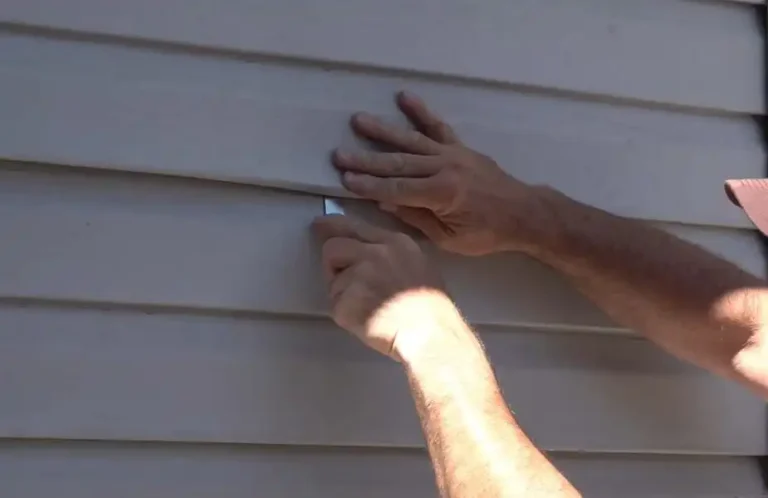
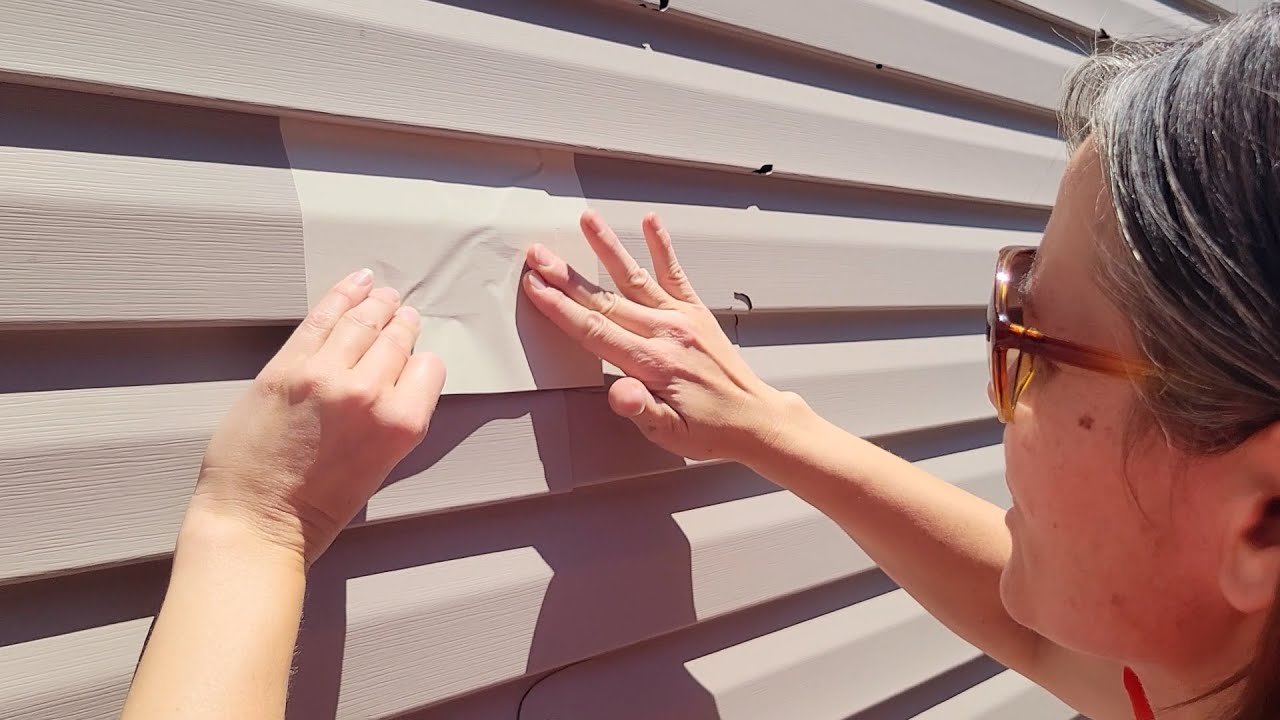
If the cracks are localized (e.g., a rock hit the lower course), a simple “zip tool” replacement of a single panel is the most cost-effective path. However, if “spiderweb” cracking appears across an entire elevation, it indicates the material has reached the end of its chemical life cycle, and the entire wall is at risk.
Detailed Real-World Scenarios on how to avoid vinyl siding cracking
Scenario 1: The “Frozen” Corner Post
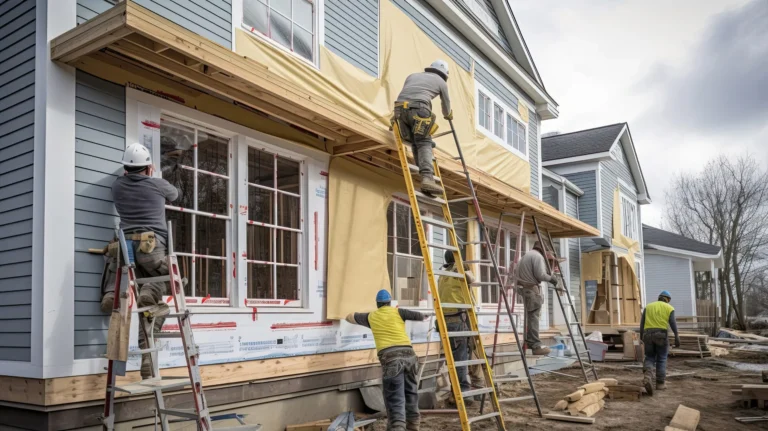
A contractor installs a corner post in January, nailing it tightly to ensure it stays “plumb.”
-
Failure Mode: By July, the corner post has buckled, and a vertical crack appears where the siding enters the J-channel.
-
Analysis: The post tried to expand downward but was pinned. The resulting force was transferred to the siding panels, which had no room to move.
-
Avoidance: Corner posts must be “hung” from the top nail, with all other nails centered and loose.
Scenario 2: The Weed-Whacker Incident
A homeowner trims grass directly against the bottom course of siding during a cold spring morning.
-
Failure Mode: The high-speed string of the trimmer strikes the cold vinyl, causing a “shatter” crack.
-
Analysis: Low-temperature embrittlement reduced the material’s ability to absorb the kinetic energy of the trimmer.
-
Avoidance: Installing a decorative stone or mulch border keeps mechanical equipment away from the vulnerable lower course.
Planning, Cost, and Resource Dynamics: How to Avoid Vinyl Siding Cracking
The financial burden of siding failure is heavily weighted toward labor rather than material.
| Expense Item | Cost (Direct) | Cost (Indirect) | Opportunity Cost of Failure |
| Replacement Panel | $15 – $40 | $200 (Labor) | Color mismatch on aged walls |
| Zip Tool (Repair) | $10 | N/A | DIY time vs. Professional quality |
| Full Siding Job | $8,000 – $20,000 | Permit fees/Disposal | Lost energy efficiency from leaks |
A critical resource dynamic is the “Color Match Window.” Vinyl fades over time. If a panel cracks five years after installation, a new “matching” panel will likely be several shades darker than the original. This often forces homeowners to replace an entire wall to maintain aesthetic consistency, turning a $20 crack into a $3,000 renovation.
Tools and Strategies for Crack-Free Installation
-
The Zip Tool: This simple hook-shaped tool allows you to unlock panels without applying the prying force that causes old, brittle siding to crack.
-
Reverse-Blade Sawing: When cutting vinyl in cold weather, using a fine-tooth circular saw blade installed backwards creates a friction-melt cut rather than a mechanical “bite,” preventing edge-shatter.
-
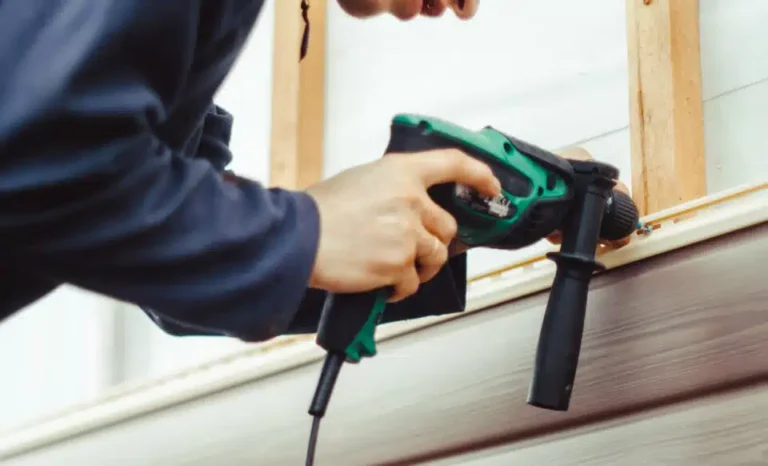
Center-Slot Fastening: Always drive nails into the exact center of the factory slots. A nail at the end of a slot is a “fixed point” that invites stress fractures.
-
The “Nickel” Gap: Maintain a 1/32-inch space between the nail head and the vinyl. You should be able to slide a nickel behind the nail head.
-
Expansion Gaps in Trim: Always leave 1/4 inch (or 3/8 inch in cold weather) of space where siding panels meet J-channels or corner posts.
-
Impact-Modified Siding: In hail-prone or high-traffic areas, specify “Super Polymer” siding, which contains higher concentrations of elastic modifiers.
Risk Landscape: Compounding Failure Modes
Cracking rarely occurs in a vacuum. It is often the result of “Compounding Risks”:
-
Thermal Trapping: Darker siding colors absorb more heat. If installed over “reflective” foil insulation without a proper air gap, the heat can be trapped, causing the vinyl to exceed its heat deflection temperature and become brittle or warped.
-
Substrate Movement: If the house’s wood framing shrinks or settles (common in new construction), it can “pinch” the siding panels, creating localized stress points that eventually crack.
-
Low-E Window Reflection: Concentrated sunlight reflected from modern windows can heat neighboring siding to over 200°F, instantly degrading the polymer and causing it to crack as it cools.
Governance, Maintenance, and Long-Term Adaptation
To effectively manage a “crack-free” exterior, a homeowner must adopt a periodic review cycle.
The 3-Tiered Maintenance Checklist
-
Annual (Spring): Perform a “slide test.” Try to move several siding panels horizontally by hand. If they won’t budge, they are pinned and need their fasteners loosened before the summer heat.
-
Bi-Annual (Fall): Inspect for “chalking.” Rub a hand over the siding; if a white powder comes off, the UV protection is failing. Consider applying a specialized vinyl-safe coating to restore the surface seal.
-
Trigger-Based: After any hail storm or significant temperature drop (below 10°F), perform a visual sweep of the lower three courses, where impact damage is most likely.
Measurement, Tracking, and Evaluation
A successful exterior strategy is measured by the “Fracture Interval.”
-
Qualitative Signal: The presence of “oil-canning” (waves in the siding) is a leading indicator that the material is under stress and may crack soon.
-
Quantitative Signal: Monitor the depth of “chalking” in microns (using a professional test kit). A rapid increase in chalking indicates that the material’s impact resistance is plummeting.
-
Documentation: Keep a “Siding Log” including the original manufacturer’s “batch number.” This is vital for warranty claims, as many manufacturers cover “spontaneous cracking” but require proof of the production run.
Common Misconceptions and Oversimplifications
-
Myth: “Thicker siding is harder to crack.” Fact: Thick siding is more rigid, which can actually lead to bigger stress cracks if the house settles or expands. Flexibility is often more important than thickness.
-
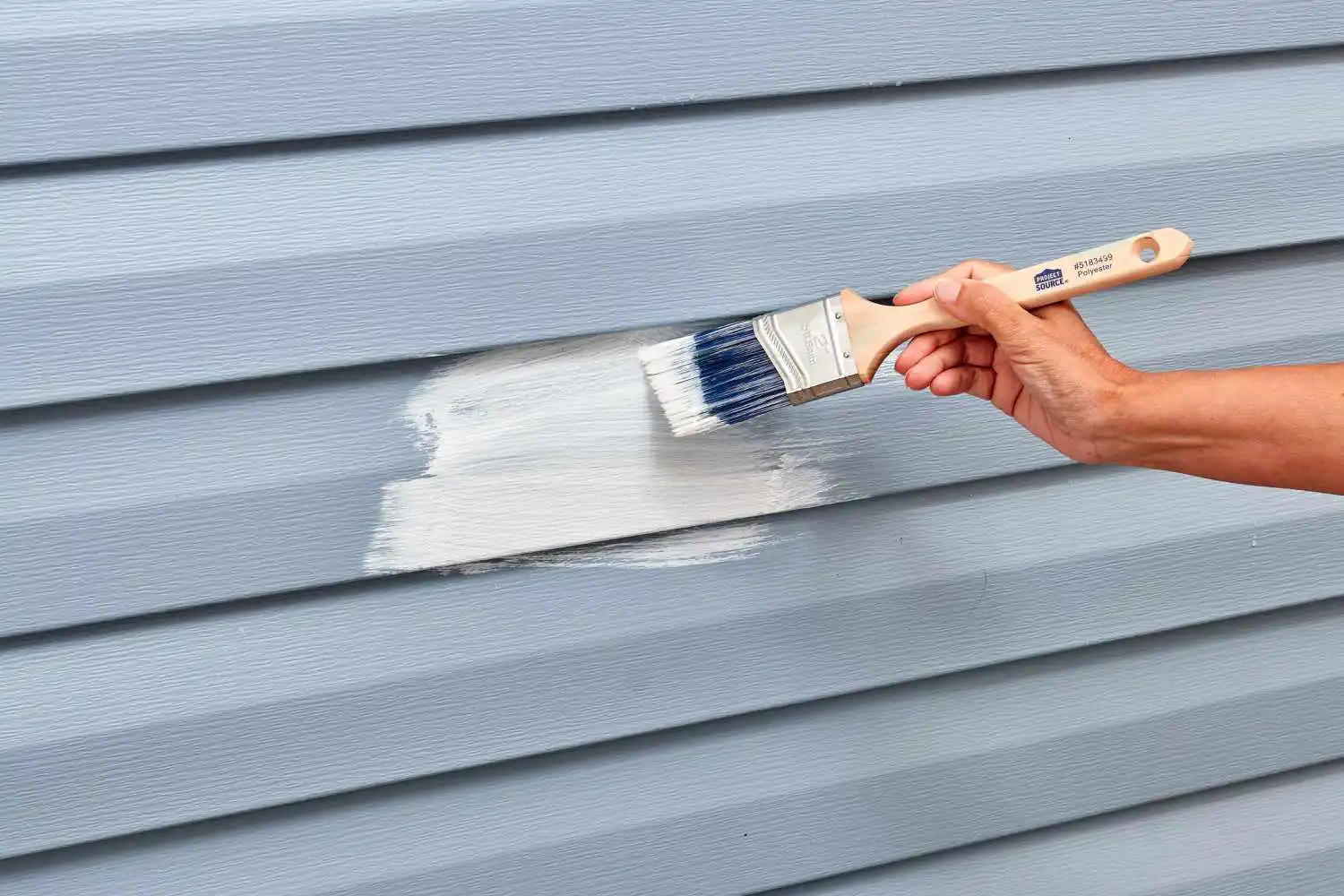
Myth: “You can’t paint vinyl siding.” Fact: You can, but you must use “vinyl-safe” paint. Standard dark paints will absorb too much heat and cause the panels to warp and crack.
-
Myth: “Cracks are just cosmetic.” Fact: A crack is a breach in the rainscreen. Water will enter, saturate the house wrap, and eventually rot the OSB sheathing.
-
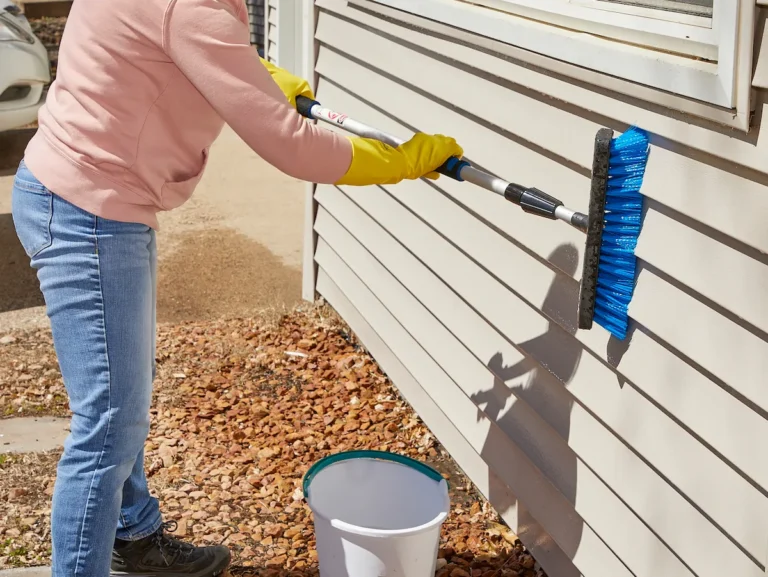
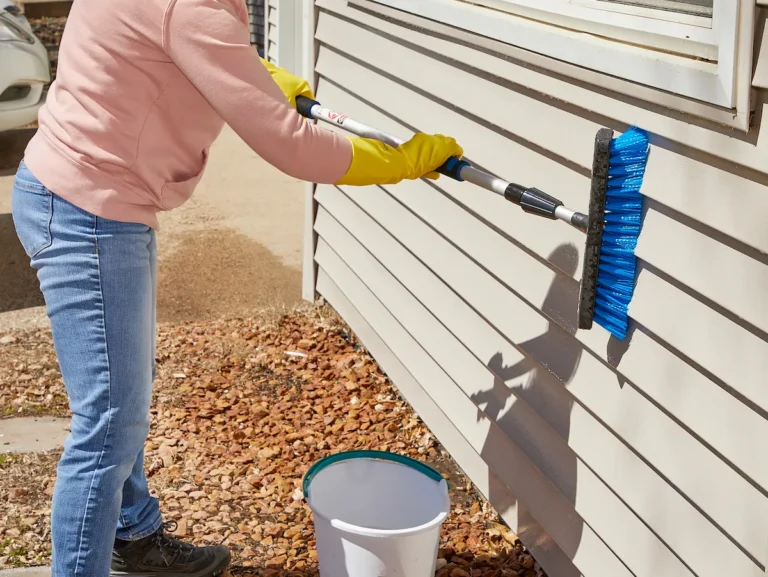
Myth: “Power washing is the best way to clean.” Fact: In cold weather, the pressure of a power washer can actually “punch” holes through brittle siding.
Conclusion
Preventing fractures in a building’s vinyl skin is a matter of respecting the material’s need for autonomy. By viewing the siding as a dynamic, moving system rather than a static wall covering, we can eliminate the mechanical stresses that lead to failure. The combination of precision installation marked by centered, loose fastening and environmental awareness ensures that the PVC can navigate the extremes of the thermal cycle. Ultimately, the goal is to maintain the “elastic memory” of the panels, protecting them from the chemical fatigue of the sun and the mechanical violence of restricted movement.